Current Research
Stanford Center for Biomedical Ethics, School of Medicine
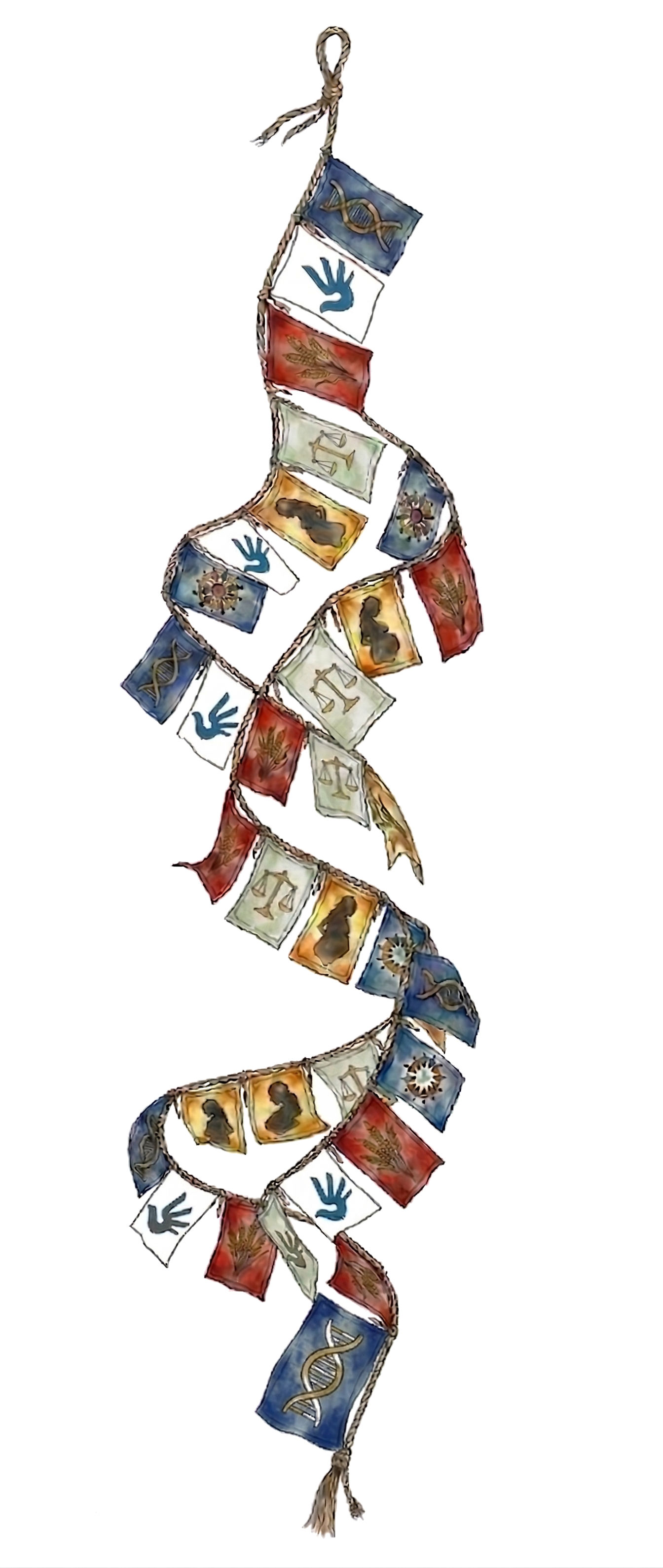
Rare Disease Ethics & Policy
What does it take to bring a rare disease therapy from concept to patient—and at what cost to the communities involved? This research examines the ethical, social, and structural dimensions of rare disease drug development and the lived experiences of patients and caregivers navigating the diagnostic odyssey. Across multiple projects, the work engages directly with the stakeholders who shape and are shaped by these processes.
Social & Behavioral Genomics
How do diverse stakeholders understand, interpret, and respond to genomic research on social and behavioral traits? This research investigates the ethical, legal, and social implications of behavioral genomics—exploring how genetic findings are communicated, perceived, and acted upon across different professional and community contexts, and how population descriptors in genomic research carry both scientific and social consequences.
Stakeholder Perspectives on Social & Behavioral Genomics
This multi-stakeholder interview study gathers perspectives from social and behavioral research scientists, media journalists, academic journal editors, K-12 educators, parents of children with ADHD and dyslexia, parents who have pursued genetic screening for social and behavioral traits, and employees working in the direct-to-consumer (DTC) genetic screening space.
Population Descriptors in Genomics Research
This project examines perspectives on the use of ancestry, ethnicity, and race as population descriptors among genome researchers and biobank participants across multiple countries in Africa—exploring how these categories shape research design, interpretation, and equity in global genomics.
Cross-Cutting Contributions
Across both research areas, I contribute to the full lifecycle of academic research—from study conception through dissemination. My work spans data collection and qualitative analysis, IRB protocol development, grant and proposal writing, and manuscript preparation for peer-reviewed publication. This cross-cutting role allows me to maintain methodological consistency and ensure that the voices of participants are represented with rigor and care across every stage of the research process.
Stakeholder Engagement Across Projects
A defining feature of this research is its commitment to engaging a wide range of stakeholders. Across both rare disease and social and behavioral genomics, the work centers the perspectives of people who are directly affected by, or who shape the trajectory of, genomic science and policy.

Get in Touch
Interested in connecting about research, collaboration, or community-engaged approaches? I'd love to hear from you.
© 2026 Alisha Giri